
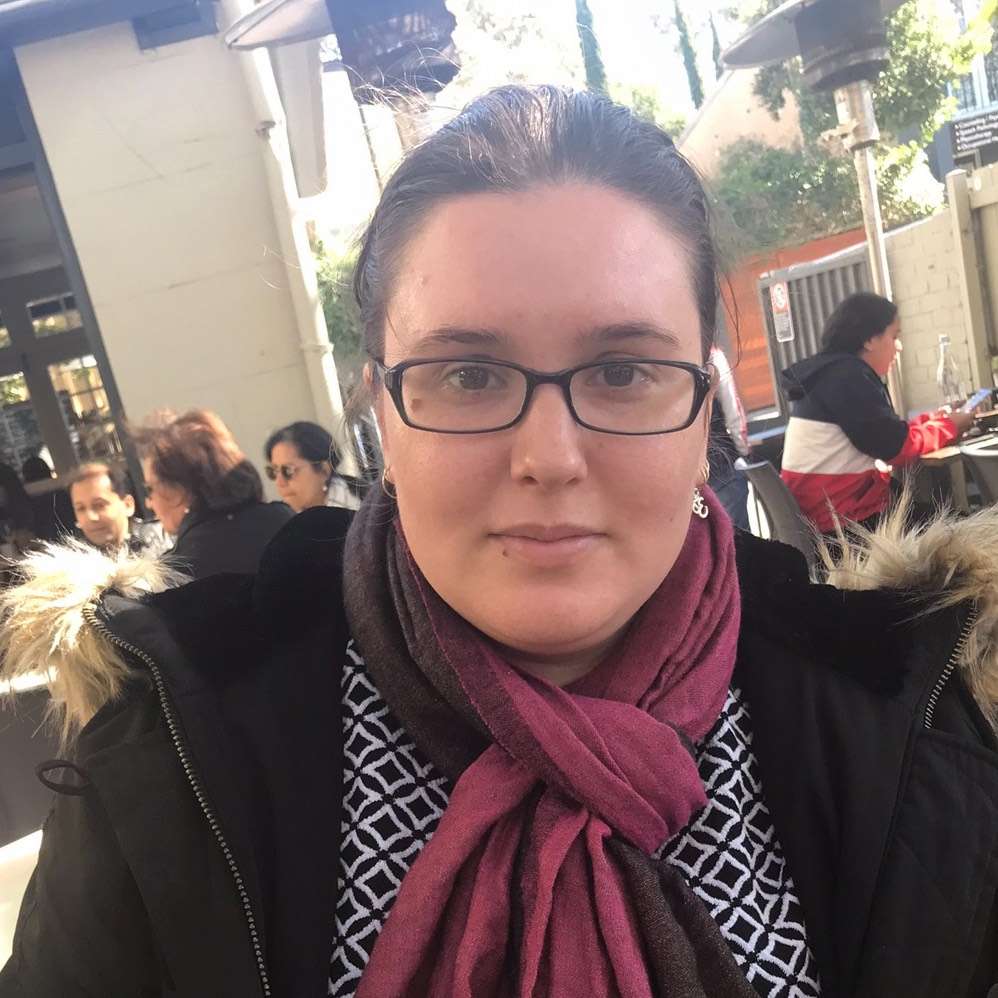
Why did you want to work together?
I saw Jaye’s page on ‘Superprof’ and noticed how many very positive reviews there were on there. I had male tutors in the past and decided to choose a female tutor this time for a change. I wanted a female tutor because I think she would be able to relate to my experience a bit better. It was about shared perspective and emotional ease. I feel I’d learn best with a female tutor, as I’m more comfortable and able to open up. Jaye seems like a very good mentor/editor/support worker, who is patient, and full of great professional, academic, and helpful advice.
The texts and other material she has suggested I read and listen to have been suitable for me at the time I need them. I feel that she selects material that is catered precisely to me and my circumstances. For example, she suggests I listen to a certain and relevant podcast on success in work after I tell her I feel unmotivated with my writing work sometimes.
I really appreciate Jaye’s approach because I read slowly and she is understanding about that. Sometimes I repeat myself or ask her to repeat herself because I feel like my memory isn’t that great, due to mental health medication side effects. Jaye helps me see things more clearly. I feel understood and well supported in my learning with her, which makes a significant difference to my progress.
What benefits has writing played in your life?
Writing has been therapeutic to me for a long time. One reason is because it gives me an outlet to my mental health concerns. When my writing is creative and at its best, it helps me discover things about myself. It helps me understand myself and my world around me better. I want to be understood. Who doesn’t? I want to be listened to and acknowledged. I also write to learn. I love learning philosophy. When I write, I learn my philosophical beliefs. In my head, some thoughts are messy but when I write them down, like in a journal, they become structured and organised.
I also like to reflect on past pieces of writing to see how much I’ve grown since then. When I read, then I digest the information, then write, it gets absorbed deeper. I get a clearer picture of what I think and what my perspective is on a particular topic. I love writing. I have written in a journal ever since I was 11 years old.
What are we working on together at the moment?
I have been working on a memoir for a few years. It is about my mental health journey, gaining insight and studying philosophy at the same time as being severely unwell in my early 20’s. Mixing philosophy with mental torment was difficult, even dangerous for me. Philosophically, nihilistic thoughts are often treated as normal, even sophisticated, rather than as symptoms of depression. Ideas like “my reality is real because I experience it” felt justified, even profound. In that space, it became almost impossible to tell where philosophy ended and illness began, and I fell completely down a rabbit warren.
The memoir is mostly about the three years from 2009-2013 where I didn’t have any insight and didn’t believe I had schizophrenia at all. I thought I was well, special, had super powers. I had religious delusions. Those are very common for people with a similar condition to mine. It was hard to separate myself from the delusions and hallucinations. I was hearing God’s voice in my head. I was stuck to my wrong, unreasonable beliefs (delusions).
It took a long time to get to a place where I’m comfortable. There is philosophy in my memoir that doesn’t suit the book and needs to be separated into a second book called ‘Philosophy as Therapy’. Jaye is very knowledgeable in philosophy in general and has read widely about different books. This has been beneficial to me because she has shared lots of great information with me, and showed me how to improve my writing projects in many various ways. Writing is part of my life and identity. When my writing is going well, I’m going well.
What improvements do you hope to make? And what are your goals longer term?
At the moment, we are going through my manuscript and Jaye is pausing at certain spots to help me see how I could enrich my writing by incorporating relevant quotes, philosophical theories (in short), or thinker’s ideas. This process has been extremely valuable, as it helps me deepen my arguments while keeping my writing grounded. I feel supported but also gently challenged, which is exactly what I need at this stage.
Longer term, I would very much like to continue working with Jaye, as I expect my next book will take a significant amount of time to write and complete. Writing is not a short-term goal for me but a lifelong practice. I will be continually refininging my thinking and my voice.
I love thinking deeply, questioning assumptions, and critically engaging with theories, particularly where philosophy intersects with lived experience and mental health. Alongside this, one of my most important goals is to continue improving my mental health — gaining insight, maturity, and self-understanding as I grow older, and learning how to stay well better. These two aims (getting philosophically wiser, and getting better at managing my mental health), are closely connected for me. Clearer thinking supports my wellbeing, and wellbeing allows me to think and write more clearly.
Ultimately, I want to keep improving and becoming the best version of myself that I can be. Writing is a core part of my identity, not just something I do but something that shapes how I understand myself and the world. My habits — reading, reflecting, writing — are votes for that identity, and working with Jaye helps me sustain those habits in a way that is both intellectually rigorous and personally supportive.
Do you think writing helps you to think critically? Why or why not?
Yes, writing is essential to how I think critically. We are constantly inundated with information, opinions, and ideas coming at us from all directions. Without writing, much of it remains unexamined or overwhelming. Writing gives me a way to slow my thinking down. It allows me to revise my thoughts, question them, inspect them closely, and even argue with myself on the page. Writing helps me turn vague thoughts into ideas I can think about clearly.
In relation to my mental health, writing is also a way of creating distance from my thoughts. At times, I need to get thoughts out of my head and onto the page so that I don’t ruminate on them. Sometimes it’s simply about getting something off my chest so I can sleep, knowing I can return to it later. When I look at what I’ve written the next day, I’m often able to recalibrate — to see things with less emotional intensity. The first time, I’m often just recording or unloading information; the second time, I’m analysing it. Seeing the same thoughts again on the page can feel almost like encountering them for the first time, but with more clarity and perspective.
I also believe that writing reveals what we don’t yet understand. When we try to explain something clearly on the page, the gaps in our thinking become visible. What feels coherent in our minds can suddenly appear incomplete or confused, and that is where real critical thinking begins. Writing exposes those gaps and gives us the opportunity to fill them in.
Thank you for your time Pia!
Latest Insights
Practical Advice for Students and Families
Real-world learning tips, expert writing strategies, and behind-the-scenes stories from our tutoring experience.
Subtext #10

Subtext #9
Student's Insights with Eden Zhang
Join Our Learning Community
Get Thoughtful
Learning Insights—
Straight to Your Inbox
Writing prompts, practical resources, and updates from Turtle & Elephant—designed for learners, families, and educators. No spam, just meaningful learning support.